Valuation Under Income Tax Act

Understanding valuation under the income tax act for taxes

Understanding Valuation Under the Income Tax Act

Valuation under the Income Tax Act, of 1961 is key for tax compliance in India. This act provides rules for finding the fair market value (FMV) of shares. FMV is crucial in various financial activities, such as capital gains taxation and mergers or acquisitions. Knowing these valuation standards helps taxpayers, businesses, and registered valuers navigate legal requirements.

Valuation of Shares 

Valuation of Shares and Securities

Valuing shares is important for both private limited companies and publicly traded entities. This process helps determine fair market value (FMV) under the Income Tax Act, affecting tax responsibilities. Different share valuation methods are used to find the value of equity share capital.

These methods look at factors like expected cash flows, comparisons with similar companies, and the net share value of a business. Accurate financial statements are key, as we give insights into income and how well the company operates.

On the other hand, quoted shares get our value from market prices on stock exchanges. This reflects current trading conditions but may need adjustments for liquidity or control premiums when determining FMV in certain cases.

By understanding these methods, stakeholders can make better choices about corporate valuation while following relevant regulations under the Income Tax Act.

Methods for Determining Fair Market Value

Finding the Fair Market Value (FMV) is key in various situations like taxes or business sales. There are a few main valuation methods used to determine FMV:

01

Income Approach

This method looks at how much money a share is expected to make in the future. It projects future cash flows and discounts them back to today’s value. The discount rate reflects how risky those cash flows might be.

02

Market Approach

Here, FMV is found by looking at similar shares or companies that were sold recently. This method compares recent sales data and takes into account things like size, location, and industry trends.

03

Shares Approach

This approach values a share by adding up what all the shares are worth after subtracting any debts. It’s useful for businesses with a lot of physical shares or when predicting future income is difficult.

Valuation of Immovable Shares

Valuation under the Income Tax Act is key to figuring out the fair market value (FMV) of immovable shares, like land and buildings. This valuation is important because it affects how capital shares are treated in income tax calculations. A proper understanding of these rules helps ensure tax compliance and meets obligations.

Valuation of Land and Buildings

The valuation of immovable shares considers many factors that can change their value. Valuation needs a good grasp of market trends, government policies, and financial rules. A proper shares appraisal looks at comparable sales data, the location, and any upgrades made to the shares.

Business valuation documents for tax evaluation with financial forms
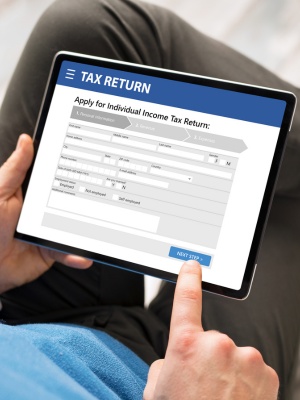
Man applying for income tax return using a tablet device
Understanding income tax valuation methods through calculation tools
Understanding capital gains valuation rules through hands-on financial analysis and calculation

Tax Implications of Undervaluation and Overvaluation

When shares are undervalued, selling them at a higher price than our assessed value can lower capital gains tax. However, this can raise red flags with tax authorities that monitor compliance to prevent revenue loss. Conversely, overvaluation might lead to inflated taxable income, resulting in paying more taxes than necessary.

To stay compliant with tax regulations, using accurate valuation methods is crucial. These methods must follow guidelines from the Income Tax Act to avoid penalties and ensure valuations reflect real market values.

Ensuring Compliance with Income Tax Act Valuation Requirements

Compliance with income tax valuation involves understanding the legal framework set by government policies and regulations. The process usually includes financial audits performed by assessing officers (AOs) and valuation officers who compare reported values against market standards.

To stay on track, businesses should implement strong internal controls that support accurate reporting of share values. This approach not only helps maintain compliance but also reduces risks associated with disputes during audits or assessments.

Regular training on updated government policies about taxation helps organizations keep up with their legal responsibilities while promoting best practices in financial reporting.

Cost of Acquisition & its Importance

Understanding acquisition costs is key for calculating capital gains correctly:

01

Cost of Acquisition

This includes the original purchase price plus any extra costs incurred during acquisition, like registration fees or broker commissions.

02

Indexed Cost of Acquisition

To adjust for inflation when figuring long-term capital gains, adjustments may be made using government indices released periodically.

03

Calculation of Capital Gains

LTCG applies to shares held beyond a set duration and is taxed at lower rates, while STCG is taxed higher for shorter holding periods.

Frequently Asked Questions

Find answers to commonly asked questions about our products and services.

Connect with Us!

Get Expert Business Valuation Services Today!

Scroll to Top